


What’s Really Behind High Sperm DNA Fragmentation — and What You Can Do About It
Posted on March 18, 2026 by root
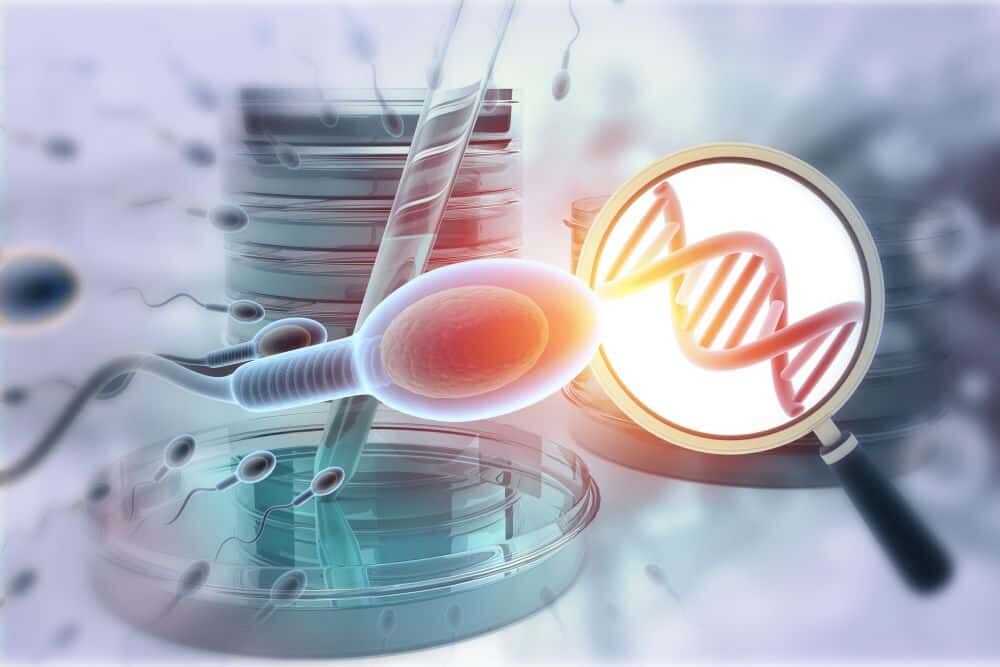
If your fertility workup came back with an elevated sperm DNA fragmentation index (DFI), it can feel like an unexpected dead end. The truth is, high DFI is one of the most underdiagnosed contributors to male infertility, recurrent miscarriage, and failed IVF or IUI cycles — and in many cases, it is both identifiable and treatable.
Dr. Justin Houman is a board-certified urologist and male fertility specialist at Tower Urology, Cedars-Sinai Medical Center in Los Angeles. He evaluates and treats elevated DFI as a core part of his practice, helping men in the Los Angeles area understand not just what their numbers mean, but what is driving them — and how to improve outcomes.
What Is Sperm DNA Fragmentation? Understanding Your DFI Score
Standard semen analysis tells you about sperm count, motility, and morphology. What it does not tell you is whether the DNA inside those sperm is intact. The DFI measures the percentage of sperm in a given sample that carry broken or damaged DNA strands. A man can have a completely normal semen analysis and still have a significantly elevated DFI — which is exactly why targeted DFI testing is increasingly recommended for men experiencing unexplained infertility or recurrent pregnancy loss.
General DFI thresholds used clinically:
- Below 15%: Normal range; associated with healthy conception outcomes
- 15% to 25%: Borderline; may begin to affect natural conception and ART success rates
- Above 25%: Associated with reduced natural conception rates, lower IVF success, and a higher risk of miscarriage
Common Causes of High Sperm DNA Fragmentation in Men
Understanding what is driving elevated DFI is the first step toward improving it. Dr. Houman takes a systematic approach to identifying root causes, because the right treatment depends entirely on the right diagnosis.
Varicocele
Varicocele — an abnormal enlargement of the veins in the scrotum — is one of the most common and most correctable causes of elevated DFI. When blood pools in these veins, scrotal temperature rises and oxidative stress within the testicular environment increases. Both of these directly damage sperm DNA. Microsurgical varicocelectomy has been shown to significantly reduce DFI in men with clinically significant varicocele, often returning values to the normal range. For many patients at Tower Urology, varicocele repair is the first and most impactful intervention on the table.
Oxidative Stress
Reactive oxygen species (ROS) are unstable molecules that attack and fragment sperm DNA when present in excess. Oxidative stress is the common pathway through which most causes of elevated DFI operate — including infection, systemic inflammation, lifestyle habits, and environmental exposures. Antioxidant supplementation is often incorporated into treatment plans alongside addressing the underlying root cause.
Elevated Scrotal Temperature
Healthy sperm production requires scrotal temperature to remain several degrees below core body temperature. Chronic heat exposure — whether from varicocele, frequent hot tub or sauna use, sedentary work habits, or constrictive clothing — disrupts sperm maturation and increases fragmentation. Of all the causes, varicocele remains by far the most clinically significant and treatable source of chronic scrotal heat in men presenting with infertility.
Genital Tract Infections and Inflammation
Bacterial infections of the prostate, epididymis, or seminal vesicles generate oxidative stress and can directly damage sperm DNA — sometimes even when no obvious symptoms are present. Leukocytospermia, which is the presence of elevated white blood cells in semen, is a common indicator of this process and warrants a full evaluation.
Lifestyle Factors That Damage Sperm DNA Quality
Several lifestyle habits have a well-documented impact on DFI:
- Smoking: Cigarette smoke introduces a high burden of free radicals that directly damage sperm DNA, and cessation leads to measurable improvement over time
- Alcohol and Recreational Drug Use: Chronic alcohol consumption disrupts hormonal signaling; marijuana has been independently associated with elevated DFI; anabolic steroids can impair DNA packaging within sperm
- Obesity: Excess body fat raises scrotal temperature, promotes systemic inflammation, and alters testosterone-to-estrogen ratios in ways that reduce sperm quality overall
Advanced Paternal Age
Men produce sperm continuously throughout their lives, but the efficiency and accuracy of that process decline with age. Older men accumulate more oxidative DNA damage in sperm-producing cells, and the molecular mechanisms that correct errors in newly produced sperm become less reliable over time. Advanced paternal age is an independent risk factor for elevated DFI and is particularly relevant in the context of recurrent pregnancy loss and ART outcomes.
Chemotherapy and Radiation
Cytotoxic cancer therapies are highly damaging to the rapidly dividing cells of the testes. Both chemotherapy and pelvic radiation can cause lasting or permanent elevations in DFI. This is why sperm banking before cancer treatment is strongly recommended for men of reproductive age. If you or a loved one is facing a cancer diagnosis in the Los Angeles area, consulting a male fertility specialist before starting treatment is an important step in protecting future options.
Environmental and Occupational Exposures
Pesticides, heavy metals, phthalates found in plastics, and other endocrine-disrupting chemicals have all been linked to elevated DFI. Men with occupational exposure to welding fumes, industrial solvents, or sustained heat environments are at elevated risk and may benefit from targeted testing.
Fever
A single significant fever can temporarily but substantially damage sperm DNA. Because sperm take approximately 70 to 90 days to fully mature, a DFI test drawn in the weeks following a febrile illness may not represent your true baseline. Repeat testing after three months is often appropriate in this situation.
Sperm DNA Fragmentation Treatment: What Are Your Options?
In many cases, high DFI is treatable — and the degree of improvement depends heavily on identifying and addressing the underlying cause. Treatment options Dr. Houman uses at Tower Urology in Los Angeles include:
- Microsurgical Varicocelectomy: Gold-standard surgical repair for men with a clinically significant varicocele and elevated DFI
- Targeted Antioxidant Therapy: Reduces oxidative stress and supports sperm DNA integrity
- Antibiotic Treatment: Used when a documented genital tract infection is driving elevated DFI
- Lifestyle Modification: Smoking cessation, weight loss, dietary changes, and heat avoidance can each contribute to meaningful improvement
- Timed Sperm Collection: Capturing sperm at optimal intervals can reduce baseline fragmentation in some men
- Testicular Sperm Extraction (TESE) with ICSI: In refractory cases, testicular sperm typically carry significantly less DNA damage than ejaculated sperm, making this a viable option when other interventions have not achieved adequate improvement
Varicocele repair, when indicated, remains one of the most evidence-backed interventions available for improving sperm DNA quality and overall male fertility outcomes. Many Los Angeles patients who pursue varicocelectomy see significant DFI reductions within three to six months following surgery.
Schedule a Consultation with Dr. Justin Houman at Tower Urology
Elevated sperm DNA fragmentation is not a dead end — it is a diagnosis with a path forward. Whether you have a known varicocele, have received an elevated DFI result, or are navigating unexplained infertility or recurrent pregnancy loss, a comprehensive evaluation with a male fertility specialist is an essential next step.
Dr. Justin Houman sees patients at Tower Urology, Cedars-Sinai Medical Center in Los Angeles. To schedule a consultation, visit houmanmd.com or call the office directly.