A cancer diagnosis brings an urgent flood of decisions, and fertility is rarely the first thing on anyone’s mind — yet for men who hope to have children one day, it is one of the most time-sensitive. Many cancer treatments can affect the ability to father a child, sometimes permanently, but options exist to protect that future. Acting early, ideally before treatment begins, gives those options the best possible chance to work.
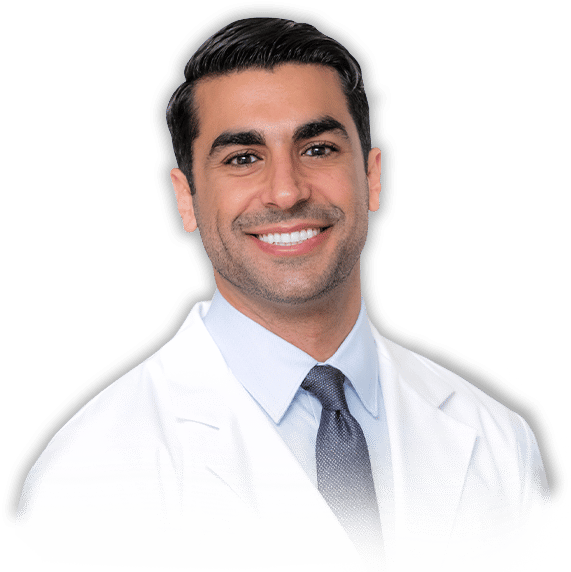
Dr. Justin Houman is a board-certified urologist, Fellow of the American College of Surgeons, and fellowship-trained microsurgeon in Male Reproductive Medicine and Surgery, training he completed at UCLA Medical Center. As an Assistant Professor of Urology at Cedars-Sinai Medical Center in Los Angeles, he partners with oncology teams to make fertility preservation fast and seamless — so it never has to compete with the start of cancer care.
Dr Justin Houman is a wonderful guy. Go to him and feel confident in his care. He is easy to talk to about topics that are not easy. Hes funny, knowledgeable, reassuring, open to questions, nonjudgmental. Really feels like hes on your side. He also listened to me about a symptom another doc downplayed, and ended up solving the problem. I cant recommend this kind man highly enough!
What Is Cancer Fertility Management?
Cancer fertility management — sometimes called oncofertility — is the coordinated effort to protect or restore a man’s ability to have biological children before, during, or after cancer treatment. It works hand in hand with the oncology team, so that effective cancer care and future family plans are pursued together rather than at odds. For some men, that means banking sperm before treatment starts. For others who have already completed treatment, it means exploring ways to recover sperm and still build the family they hoped for.
How Cancer Treatment Can Affect Fertility
Chemotherapy, radiation, and certain surgeries can all impair sperm production. The effect depends on the type of treatment, the dose, and the area treated, and it can range from temporary to permanent. Because sperm quality and DNA integrity can be compromised even after a single round of treatment, leading oncology guidelines — including those from the American Society of Clinical Oncology — strongly recommend that sperm be collected and banked before cancer-directed therapy begins.


Your Options Before, During, and After Treatment
The right approach depends on where you are in your cancer journey, and Dr. Houman tailors the plan accordingly:
- Before Treatment — Sperm Banking: Sperm cryopreservation is the most reliable way to preserve fertility, and it can usually be arranged quickly so it doesn’t delay cancer care.
- When a Sample Isn’t Possible — Surgical Retrieval: If a man cannot provide a semen sample, sperm can sometimes be retrieved directly from the testicle and frozen for future use.
- After Treatment — Restoring Options: For men who didn’t bank sperm and later face azoospermia, microsurgical sperm retrieval can sometimes recover viable sperm for use with IVF or ICSI.
- Coordinated, Time-Sensitive Care: Dr. Houman works closely with oncology teams to move quickly without compromising treatment timelines.
Frequently Asked Questions About Cancer Fertility Management
-
Sperm quality and DNA integrity can be affected even after a single round of treatment, so collecting and banking sperm before therapy begins offers the best chance of preserving healthy options.
-
In most cases, no — sperm banking can usually be arranged quickly, and Dr. Houman coordinates with your oncology team to avoid delaying care.
-
Options still exist; depending on your situation, sperm may be recoverable, and microsurgical sperm retrieval can sometimes find viable sperm even after treatment.
-
Not always — some men recover sperm production over time, while others do not, depending on the treatment type, dose, and area treated, which is exactly why preserving sperm beforehand is the safest approach.
-
Frozen sperm can be thawed and used with IVF or ICSI when you and your partner are ready to try for a pregnancy.
-
Possibly — surgical retrieval succeeds for some men, and when it doesn’t, Dr. Houman discusses every remaining option, including donor sperm, with honesty and care. Learn more about azoospermia.
Why Patients Choose Dr. Houman for Cancer Fertility Management
- Rapid, Coordinated Scheduling: Fertility preservation is arranged quickly to fit within urgent cancer timelines.
- Oncology Team Collaboration: Dr. Houman works alongside your oncologists so treatment and fertility goals stay aligned.
- Advanced Retrieval Expertise: Microsurgical training expands options for men who have already begun or completed treatment.
- Compassionate, Honest Guidance: Patients receive clear, realistic counsel during an overwhelming time.
Meet Dr. Houman
Expert in Men’s Health with Tower Urology and Cedars Sinai
Dr. Justin Houman, MD, FACS is a board-certified urologist and fellowship-trained microsurgeon at Tower Urology, Cedars-Sinai Medical Center in Los Angeles. His subspecialty training in male reproductive medicine and microsurgery is held by fewer than 2% of practicing urologists in the United States.
His clinical focus is narrow by design. Varicoceles, chronic testicular pain, male infertility, vasectomy, testosterone optimization, erectile dysfunction, penile implant surgery, and Peyronie’s disease are not add-on services here. They are the practice. Patients travel from across the country and internationally for procedures, particularly microsurgical varicocelectomy, spermatic cord denervation, and inflatable penile implant surgery, that require a level of subspecialty training and surgical volume most urology practices do not have.
Discuss Fertility Preservation in Los Angeles
Cancer demands enough difficult decisions — protecting your future family shouldn’t add to the weight of them. Dr. Houman and his team make fertility preservation straightforward and fast for patients across Los Angeles and Southern California, coordinating closely with your oncology care every step of the way. If you’ve recently been diagnosed, or have completed treatment and still hope to have children, contact the Los Angeles office as soon as possible to discuss your options.