A penile implant is built to last, but no device lasts forever — and occasionally an implant fails, becomes uncomfortable, or no longer meets a man’s needs. When that happens, revision surgery can restore function and comfort. It is, however, a more demanding procedure than the original placement: removing and replacing a device within already-altered tissue calls for a surgeon with genuine re-operative experience, which is exactly where the choice of surgeon matters most.
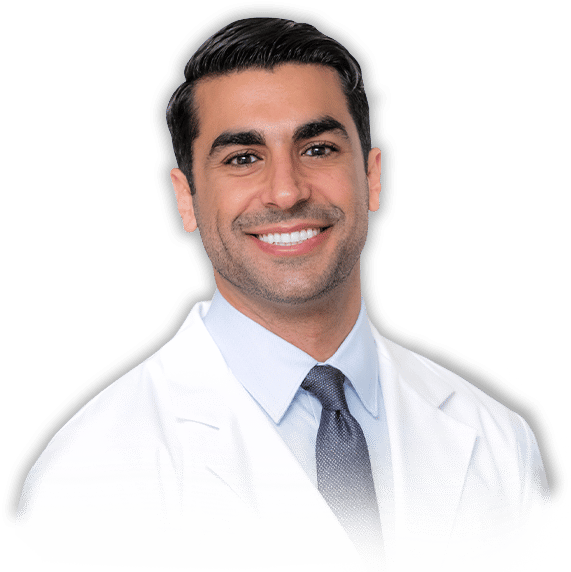
Dr. Justin Houman is a board-certified urologist and Fellow of the American College of Surgeons whose practice is recognized as an AMS 700 inflatable penile prosthesis Center of Excellence, with particular depth in complex, re-operative cases. Fellowship-trained in male reproductive and sexual medicine at UCLA, an Assistant Professor of Urology at Cedars-Sinai Medical Center, and named a Top Doctor in Los Angeles by Los Angeles Magazine, he is regularly sought out for revisions and salvage procedures that demand advanced technique. His high surgical volume — and the judgment that comes with it — is precisely what revision surgery requires.
Dr Justin Houman is a wonderful guy. Go to him and feel confident in his care. He is easy to talk to about topics that are not easy. Hes funny, knowledgeable, reassuring, open to questions, nonjudgmental. Really feels like hes on your side. He also listened to me about a symptom another doc downplayed, and ended up solving the problem. I cant recommend this kind man highly enough!
What Is Penile Implant Revision Surgery?
Penile implant revision surgery is performed when a previously placed implant fails, causes discomfort, or no longer meets a patient’s needs. Depending on the situation, it may involve repairing components or, more often, removing the existing device and placing a new one to restore reliable function. The goal is the same as the original surgery — a durable, comfortable, well-functioning result — achieved within tissue that requires more careful handling the second time around.
Common Reasons for Penile Implant Revision
While penile implants have a high long-term success rate, several situations can make revision the right step:
- Mechanical Failure: Like any device with moving parts, an implant can eventually wear out; studies suggest a portion of implants require revision for this reason over a span of roughly 10 to 15 years.
- Infection: Reported in approximately 1 to 3 percent of implant surgeries, infection generally requires removing the device, clearing the infection, and placing a new implant.
- Discomfort or Malposition: An implant that wasn’t ideally sized or positioned can cause discomfort, which revision can correct.
- Dissatisfaction With Results: When the original outcome doesn’t meet expectations in firmness or fit, revision allows for adjustment with a better-suited device.


What Happens During Revision Surgery
Revision is more involved than the initial implant procedure because it takes place in tissue that has already been operated on. Dr. Houman carefully removes the existing device and evaluates the surrounding tissue for damage or infection, treating it as needed before placing the new implant. Both inflatable and malleable (semi-rigid) devices are available, and he works closely with each patient to choose the option best suited to their anatomy and lifestyle. This deliberate, tissue-respecting approach is what protects outcomes in re-operative surgery.
Penile Implant Revision Recovery and Success
Because of its added complexity, recovery from revision can take slightly longer than the original surgery, though most men return home the same day and heal over roughly four to six weeks before resuming sexual activity. When performed by an experienced implant surgeon, revision surgery is highly successful, with studies reporting that most men regain satisfying erectile function and are pleased with their results. Outcomes depend on the reason for revision, the condition of the tissue, and overall health — all of which Dr. Houman assesses carefully before recommending a plan. As with any surgery, revision carries risks such as infection, bleeding, or device issues, which he reviews thoroughly beforehand.
Frequently Asked Questions About Penile Implant Revision Surgery
-
Modern implants are durable and often last many years, but no device is permanent; mechanical wear can eventually require revision, frequently in the range of 10 to 15 years.
-
Because the surgeon works within tissue that has already been operated on, revision requires careful removal of the old device and assessment of the surrounding tissue, which calls for greater experience.
-
An infected implant typically needs to be removed and the infection cleared before a new device is placed, sometimes using specialized salvage techniques.
-
Often, yes — Dr. Houman offers both inflatable and malleable options and will help select the device best suited to your anatomy and goals.
-
Recovery is similar to the original surgery but can take a bit longer given the added complexity, with most men healing over about four to six weeks before resuming sexual activity.
-
When performed by an experienced implant surgeon, revision has a high success rate, with most men regaining satisfying function — though results depend on the reason for revision and the health of the tissue.
Why Choose Dr. Houman for Penile Implant Revision in Los Angeles
- Re-Operative Expertise: Specialized experience in complex revision and salvage procedures.
- AMS 700 Center of Excellence: Recognized expertise in inflatable penile implant surgery.
- Device Flexibility: Both inflatable and malleable options to match your anatomy and goals.
- Precision and Judgment: High surgical volume that directly improves revision outcomes.
Meet Dr. Houman
Expert in Men’s Health with Tower Urology and Cedars Sinai
Dr. Justin Houman, MD, FACS is a board-certified urologist and fellowship-trained microsurgeon at Tower Urology, Cedars-Sinai Medical Center in Los Angeles. His subspecialty training in male reproductive medicine and microsurgery is held by fewer than 2% of practicing urologists in the United States.
His clinical focus is narrow by design. Varicoceles, chronic testicular pain, male infertility, vasectomy, testosterone optimization, erectile dysfunction, penile implant surgery, and Peyronie’s disease are not add-on services here. They are the practice. Patients travel from across the country and internationally for procedures, particularly microsurgical varicocelectomy, spermatic cord denervation, and inflatable penile implant surgery, that require a level of subspecialty training and surgical volume most urology practices do not have.
Penile Implant Revision Surgery in Los Angeles
If your penile implant isn’t working the way it should, revision surgery can restore both function and confidence — and the experience of your surgeon makes all the difference. Dr. Houman brings Center of Excellence expertise and deep re-operative skill to men across Los Angeles and Southern California. Contact the Los Angeles office to schedule a consultation and discuss whether revision surgery is right for you.