Low testosterone is common, and the good news is that it’s very treatable — but treatment isn’t one-size-fits-all. There are several distinct ways to restore healthy testosterone, each with its own rhythm, advantages, and trade-offs, and the right choice depends on your symptoms, your lifestyle, and whether preserving fertility matters to you. Understanding the options is the first step toward a plan that actually fits your life.
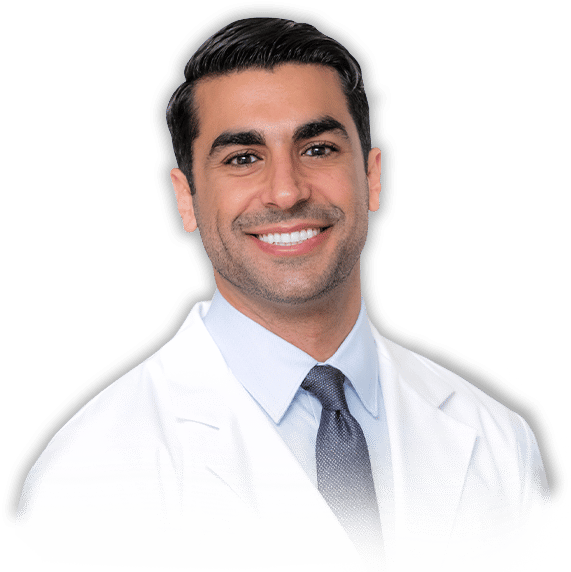
Dr. Justin Houman is a board-certified urologist, Fellow of the American College of Surgeons, and Assistant Professor of Urology at Cedars-Sinai Medical Center, and was named a Top Doctor in Los Angeles by Los Angeles Magazine. Fellowship-trained in male reproductive medicine at UCLA, he brings something most testosterone clinics can’t: the ability to weigh every treatment option against its effect on fertility and to choose accordingly. That depth is why men with complex or fertility-sensitive situations seek him out.
Dr Justin Houman is a wonderful guy. Go to him and feel confident in his care. He is easy to talk to about topics that are not easy. Hes funny, knowledgeable, reassuring, open to questions, nonjudgmental. Really feels like hes on your side. He also listened to me about a symptom another doc downplayed, and ended up solving the problem. I cant recommend this kind man highly enough!
What Is Low Testosterone?
Low testosterone, or male hypogonadism, is a state in which the body doesn’t produce enough testosterone — the hormone responsible for much of male growth, development, and function. It comes in two forms. Primary hypogonadism stems from a problem with the testicles themselves, while secondary hypogonadism arises from the brain signals that tell the testicles to produce testosterone. Identifying which type you have, and the cause behind it, is what shapes the right treatment. Testosterone generally falls within a normal range in healthy men, and low T is typically diagnosed when levels are low on repeat morning testing alongside consistent symptoms.
Low Testosterone Treatment Options
There are several effective ways to restore testosterone, and the best fit depends on your goals and lifestyle:
- Nasal Testosterone (Natesto): A short-acting nasal gel that can raise testosterone while largely preserving fertility, making it a strong option for men concerned about sperm production. Taken several times daily.
- Topical Gels: A once-daily gel applied to the skin; convenient, though care is needed to avoid transferring it to others through skin contact for a period after application.
- Intramuscular Injections:wq Testosterone cypionate or enanthate injected every one to two weeks — an effective, economical option for men comfortable with injections.
- Subcutaneous Injections: Smaller, more frequent doses that keep levels steadier, often preferred by younger, active men.
- Subcutaneous Pellets: Long-acting pellets placed under the skin in a quick in-office procedure, releasing testosterone steadily over three to four months.
- Fertility-Sparing Medications: Options such as clomiphene, enclomiphene, or hCG raise the body’s own testosterone without suppressing sperm — ideal when fertility matters.


Understanding the Risks of Testosterone Therapy
Testosterone therapy is highly effective, but it’s a medical treatment with real considerations that deserve honest discussion:
Fertility Suppression
Standard testosterone therapy reduces sperm production within months and can drop it to zero in some men, so men who want children should discuss fertility-sparing options first.
Dependence and Difficulty Stopping
When the body relies on external testosterone, its own production slows, and stopping can be difficult, with a period of low levels while natural production recovers.
Gynecomastia
Some testosterone converts to estrogen, which can cause breast tissue growth in certain men.
Polycythemia
Testosterone can raise red blood cell counts, thickening the blood and increasing clotting risk — one of the main reasons regular blood work is essential.
What to Expect: Diagnosis and Monitoring
Treatment begins with a morning blood test, usually confirmed on a second test, along with related labs to identify the cause of low levels. Once therapy starts, it isn’t left to run on its own: Dr. Houman monitors testosterone, red blood cell count, and prostate health with periodic lab work, adjusting the approach as needed. Most men begin noticing more energy, libido, and improved mood within a few weeks, with fuller benefits developing over several months.
Frequently Asked Questions About Low Testosterone Treatment
-
They differ in frequency and convenience — daily gels, weekly or twice-weekly injections, every-few-months pellets, and nasal options — and Dr. Houman helps match the method to your lifestyle.
-
Nasal testosterone and fertility-sparing medications like clomid or enclomiphene can raise testosterone with less impact on sperm production than standard TRT.
-
Standard TRT suppresses sperm production within months and can reduce it to zero in some men, though fertility often returns after stopping — which is why fertility goals should be discussed up front.
-
Key risks include reduced fertility, a rise in red blood cell count (polycythemia), possible breast tissue growth, and difficulty stopping, all of which Dr. Houman monitors and discusses.
-
Regular blood work tracks testosterone, red blood cell count, and prostate health, allowing the plan to be adjusted safely over time.
-
Many men notice more energy, libido, and improved mood within a few weeks, with fuller benefits over several months.
Why Choose Dr. Houman for Low Testosterone Treatment in Los Angeles
- Full Range of Options: Every delivery method, matched to your symptoms and lifestyle.
- Fertility-Aware Treatment: Options chosen with your reproductive goals in mind.
- Safety-Focused Monitoring: Regular labs to keep therapy both effective and safe.
- Subspecialty Expertise: Reproductive-medicine training behind every recommendation.
Meet Dr. Houman
Expert in Men’s Health with Tower Urology and Cedars Sinai
Dr. Justin Houman, MD, FACS is a board-certified urologist and fellowship-trained microsurgeon at Tower Urology, Cedars-Sinai Medical Center in Los Angeles. His subspecialty training in male reproductive medicine and microsurgery is held by fewer than 2% of practicing urologists in the United States.
His clinical focus is narrow by design. Varicoceles, chronic testicular pain, male infertility, vasectomy, testosterone optimization, erectile dysfunction, penile implant surgery, and Peyronie’s disease are not add-on services here. They are the practice. Patients travel from across the country and internationally for procedures, particularly microsurgical varicocelectomy, spermatic cord denervation, and inflatable penile implant surgery, that require a level of subspecialty training and surgical volume most urology practices do not have.
Low Testosterone Treatment in Los Angeles
If low energy, low libido, or persistent fatigue has become your normal, low testosterone may be the cause — and there’s a treatment approach that can fit your life and your goals. Dr. Houman offers the full range of options, chosen with both effectiveness and fertility in mind, for men across Los Angeles and Southern California. Contact the Los Angeles office to schedule a consultation and find the approach that’s right for you.